


Kitchen ranges
New appliance connections and remodel relocations.
Signs
Leave immediately and complete these steps from a safe location.
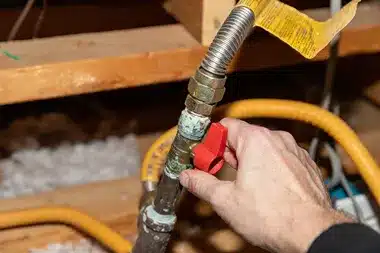
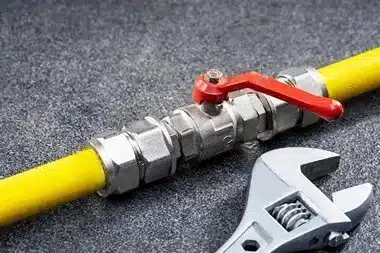
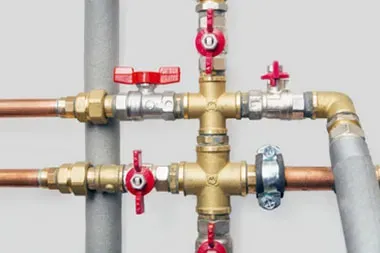
The appliance, total connected load, existing capacity, route, material, shutoff, permit, and testing requirements define the job. The property address determines the authority and current process.
New appliance connections and remodel relocations.
Professionally planned new runs and relocations.
Supply planning based on the unit and total system load.
Outdoor appliance lines planned for the specific site.
Standby generator piping coordinated with the equipment scope.
Project-specific evaluation of earthquake shutoff options.
Choose a request window for planned work. If you smell gas, leave and call 911 and the gas utility.
You can open the scheduler in a new tab or call True Plumbing for current availability.
Tell us what is happening. We will confirm availability and the right next step.
(360) 207-6064Process
The appliance and building come before the pipe route.
We document the appliance input and total connected demand on the existing system.
Capacity, material, shutoffs, access, protection, and appliance instructions shape the scope.
Required pressure testing, permit steps, and inspection follow the property jurisdiction.
Capacity, route, and authority all matter.
The meter or regulator, pipe sizes, route length, and total load must support the appliance.
Washington and Oregon do not share identical code administration, portals, or inspection steps.
Location changes material, protection, shutoff, burial, and equipment requirements.
The property address identifies the permit authority, current requirements, and inspection process for the work.
Code, permit, and safety references verified August 19, 2026.: Washington State Building Code Council: Mechanical Code · Oregon Building Codes Division: Mechanical Code · Oregon Building Codes Division: Residential permits · Oregon Building Codes Division: Permit license types · City of Vancouver: Inspection codes · NW Natural: What to do if you smell gas
See all service areasRecent Google reviews showing why customers trust usRating and count reported by this Google Business Profile
Swipe, drag, scroll sideways, or use the arrow keys to browse reviews manually. Automatic movement pauses while you browse.
He came, identified the problem, got the parts and did the repair in 1 afternoon. Thank you!
I had a great experience with this plumber! He was quick to respond and more importantly, very thorough. Since I had just moved in and there was clearly evidence of prior water damage from the previous renters, I was concerned because one of my sinks I caught was leaking. But under EVERY sink the cabinets have been warped (and yes I have initial move in photos)! He took the time to check all of the appliances as all the lines were loose that he found! He made sure the water lines and connections were tight and secure. I really appreciated his attention to detail and the peace of mind it gave me knowing everything had been tightened and checked. He was professional, efficient, and clearly cared about preventing a problem before it happened. I would definitely recommend to anyone looking for a reliable and thorough plumber!
Danny was efficient, contentious, and friendly. He was a pleasure to work with. I would call this company again.
Great service! Was very professional quickly fixd the issue.
Fast and great service! And nice guy!
Danny was professional and did an excellent job getting my hot water heater up and running well
Very kind, knowledgeable, and detailed.
Danny replace our push/pull valves throughout our home. He was quick and very efficient. He did a great job of listening to my concerns and making me feel safe with final product.
While remodeling I found some water damage in the floor boards. While googling for a plumber I came across true plumbing and with exceptional reviews I gave them a call. Nick was over shortly and quickly found the problem. Everything was fixed quickly. Nick is very knowledgeable and professional, answered all of my questions. Definitely recommend Nick.
Great jon
I chose True Plumbing because of all the five-star reviews. Jason came out and after inspecting the issue gave us a quote. There was no pressure to move forward with the job, but we wanted to get the issue resolved and decided to move forward with replacing the toilet. Jason was very friendly, answered all our questions, and did the job in a very timely manner. I definitely will recommend True Plumbing to anyone who needs a plumber.
We had water damage in our kitchen that was leaking from the upstairs obviously very concerning, we contacted the plumber. They sent out Jason and Jason within an hour not only diagnose the problem found a solution and fixed the problem. This is what I love about professional people and professional services. They find the problem and they fix the problem and they did it all with the smile. wonderful service could not recommend any higher.
All profile totals synced within 24 hours; oldest sync 2026-09-24T15:26:14.693+00:00

See what stays consistent in modern gas-line work and how codes, permits, credentials, and inspections differ between Washington and Oregon.
Read the guideA seismic gas shut-off valve closes your gas line automatically during an earthquake. Here is how it works, who should consider one, and why it takes a licensed plumber.
Read the guidePrepare exposed pipes before a Clark County freeze and follow conservative shutoff, electrical, and gas-safety steps during an active plumbing leak.
Read the guideBring the appliance and property details together in one permitted, tested installation plan.
Washington and Oregon licensed · licensed, bonded & insured