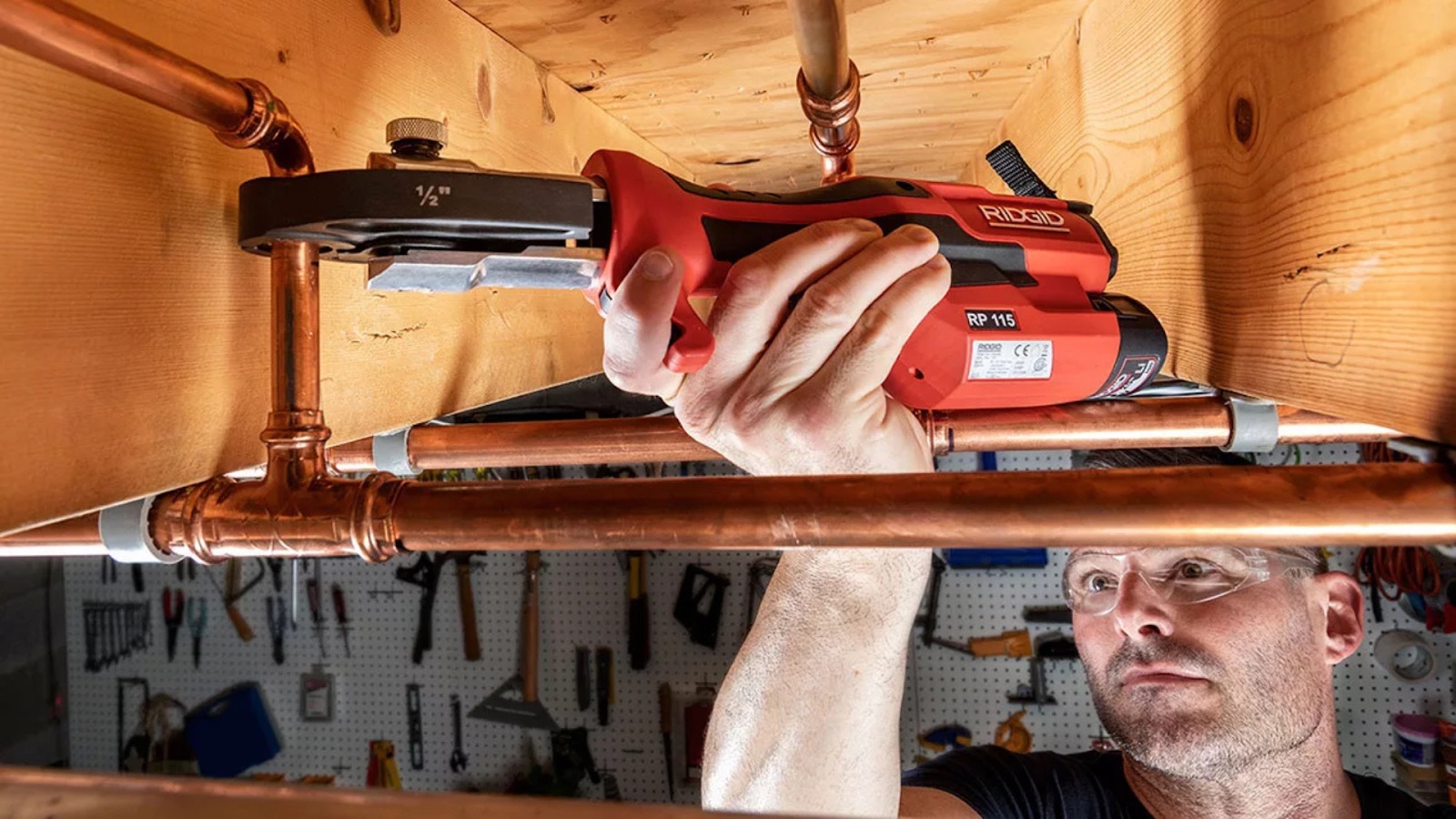
The most useful change in gas-line installation is not one product. It is a more complete planning process that connects the appliance, the existing system, the proposed route, the approved material, and the local inspection path before work begins.
That planning matters in True Plumbing's service area because a crew may work in Washington one day and Oregon the next. The company can hold itself to one careful installation standard without claiming that the two states use identical codes or permit systems.
What stays consistent across the Columbia
Tyler Toivonen says True Plumbing approaches Washington and Oregon projects with the same internal discipline. The team documents the appliance and total connected load, reviews the existing system, plans the route, selects a material approved for the project, completes the installation, performs the required testing, and verifies the finished work.
That is a company-process statement, not a statement that every jurisdiction follows the same rules. The final scope for gas line installation still has to match the property address, current adopted code, equipment instructions, permit authority, and inspector requirements.
What changes between Washington and Oregon
Washington's currently adopted 2021 State Mechanical Code includes state fuel-gas provisions and took effect March 15, 2024. Oregon's 2025 Mechanical Specialty Code, based on the 2024 International Mechanical Code and International Fuel Gas Code with Oregon amendments, became mandatory April 1, 2026. Those are different state frameworks.
Administration can also change from one city to the next. The permit issuer may be a city, county, or state-administered program. The application portal and inspection-scheduling process can differ even between nearby Oregon communities. A Gresham project goes through the City of Gresham, Troutdale uses its Citizen Self-Service portal, and Fairview directs trade permits through Oregon ePermitting. The address should be checked before anyone promises a permit path or schedule.
Better project information makes the estimate more useful
A customer does not need to design the gas system. It is useful, however, to share the appliance model or input rating, fuel type, installation location, proposed destination, and property address. The professional planning process then considers the total load, route, existing capacity, approved material, shutoff location, equipment instructions, testing, and inspection requirements.
This prevents a nearby visible pipe from being mistaken for confirmed capacity. It also gives the permit application and inspection scope a consistent set of facts, even when the administrative system changes across the river.
Materials and tools remain project choices
Flexible and rigid gas-piping systems can both be appropriate when they are selected and installed under the applicable code, listing, manufacturer instructions, and site conditions. No material should be treated as a universal upgrade. Concealed framing, exterior exposure, underground routing, physical protection, equipment requirements, and future access all influence the professional decision.
Modern locating and testing tools can improve documentation and verification, but they do not turn gas work into a homeowner procedure. Pipe sizing, assembly, appliance connections, bonding, pressure testing, leak investigation, shutoff installation, combustion work, and venting belong with qualified professionals and the responsible inspection authority.
If earthquake protection is part of a planned project, the separate guide to seismic gas shutoff valves explains what those devices are intended to do and why installation still needs a project-specific review.
Current credentials and permits answer different questions
A company license shows that a business holds a state credential, while a permit approves a defined project under the responsible jurisdiction and an inspection evaluates that work at the required stage. These safeguards are related, but one does not replace the others.
Official records checked August 19, 2026 show True Plumbing's Washington plumbing contractor licenses TRUEPPC781K6 and TRUEPPC791MG as active. Oregon classifies fixed fuel-gas piping as mechanical work, and Oregon ePermitting associates a CCB credential with mechanical permits and a PB credential with plumbing permits. True Plumbing's CCB license 246792 is active, and its separate BCD plumbing contractor license PB2971 is active through July 1, 2029. Customers can review the current records on True Plumbing's license page and confirm the project-specific path before work begins.
If you smell gas, leave before making a service call
NW Natural's current safety guidance says to leave immediately, even when the odor seems mild. Do not use switches, phones, flames, vehicles, or anything that could create a spark, and do not search for the source. From outside and away from the odor, call 911 and the serving gas utility. Stay out until emergency responders say it is safe to return.
For a planned appliance or piping project with no suspected leak, call True Plumbing at (360) 207-6064 or request service online. Share the property address and appliance information so the team can confirm coverage, the responsible jurisdiction, and the right next step.