A clog rarely shows up out of nowhere. Most of them build slowly from everyday habits that seem harmless until the water stops going down.
Grease and cooking oil
Pouring bacon grease or pan drippings down the sink is one of the most common ways homeowners create a clog they cannot see. The grease goes down warm and liquid, then cools inside the pipe and hardens against the walls. Over a few weeks it narrows the pipe like plaque in an artery. Even if you run hot water after, the grease still cools and sticks a few feet down the line. Let grease cool in an old can or jar, then throw it in the trash.
"Flushable" wipes
The label says flushable, but these wipes do not break down the way toilet paper does. They stay intact instead of dissolving, then snag on rough spots inside the pipe and catch everything moving past them. This is one of the top causes of main-line backups we clear in Clark County homes. The same goes for paper towels and so-called disposable cleaning cloths. If it is not toilet paper, it belongs in the trash.
Coffee grounds and food scraps
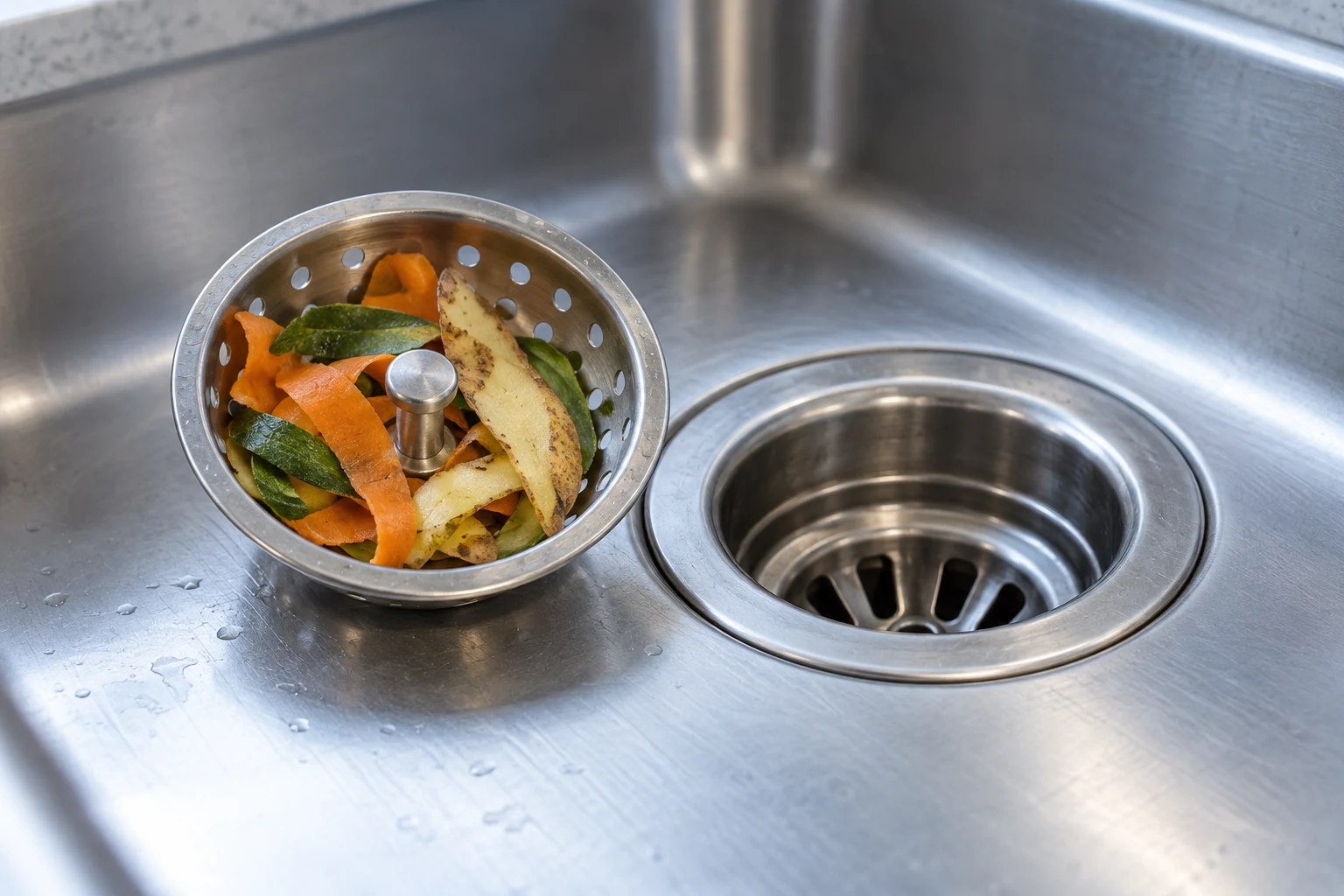
Coffee grounds do not dissolve. They clump together and settle at the bottom of the trap and the pipe, building up like wet sand. Starchy foods like rice and pasta swell with water, and stringy scraps like celery or potato peels wrap around the disposal and the pipe walls. A garbage disposal grinds food smaller, but it does not make it disappear. Scrape plates into the trash or compost before you rinse them.
Mineral scale from hard water
Dissolved minerals can leave scale on faucet aerators, showerheads, water-heater surfaces, and some supply piping. That causes weak fixture flow, which is different from a wastewater drain that empties slowly. Several fixtures draining slowly at once usually points to a shared drain or sewer problem, not hard-water scale in the supply lines.
Tree roots in the sewer line
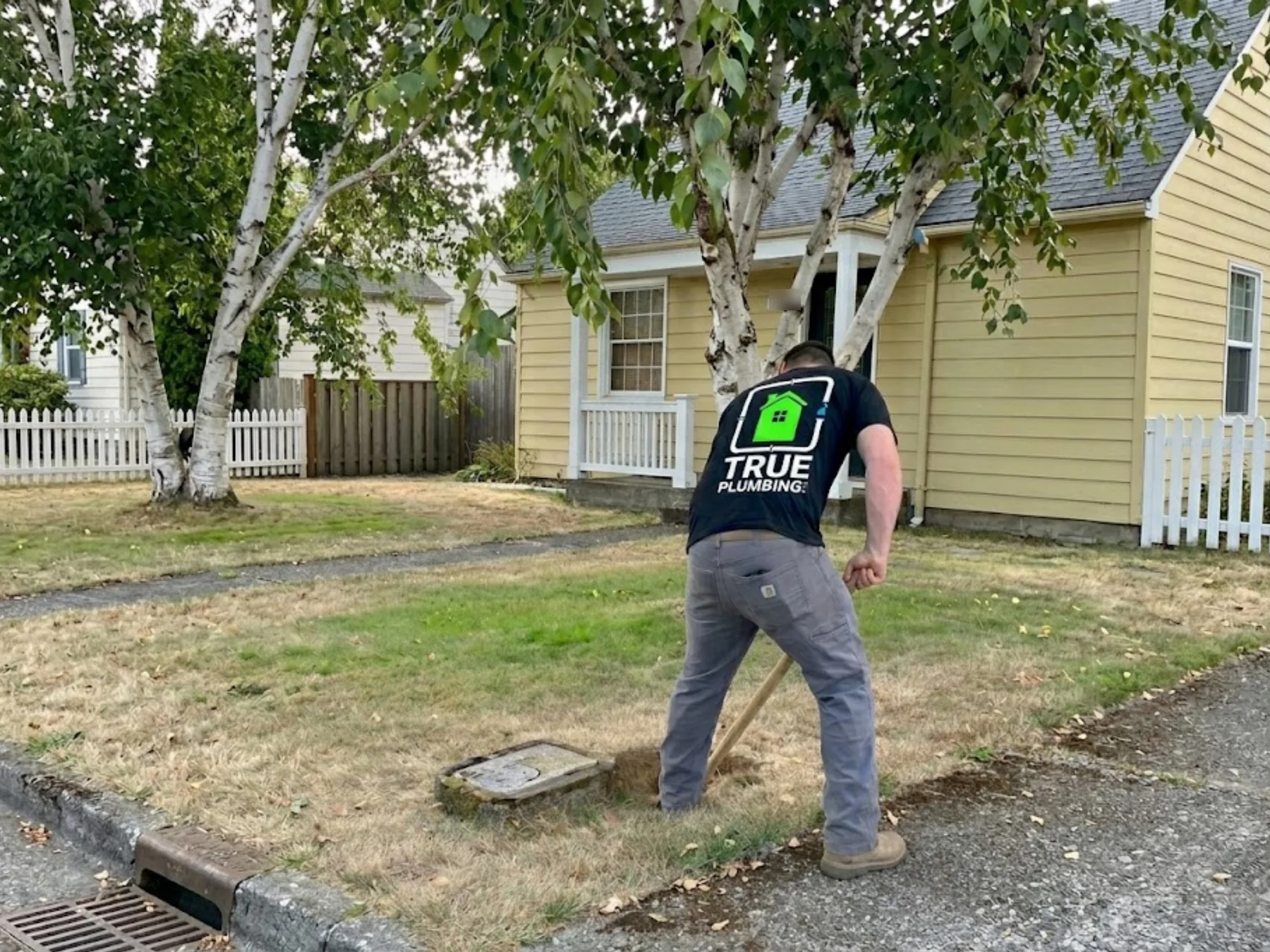
Root intrusion is property-specific. Mature trees and large shrubs close to the sewer route can make roots one possible cause because roots can enter through an opening or failed joint, but a mature lot does not prove the pipe is damaged. Fine or hair-like growth may be serviceable with cabling or hydro jetting when the pipe remains structurally suitable. Dense root intrusion can point to an opening or failed section that needs camera inspection, locating, and possibly a spot repair, section replacement, or broader replacement.
Cleaning restores flow, but it does not close the defect that allowed roots into the pipe. Root-control products may sometimes be part of a maintenance plan after the line is assessed. They do not replace repair, and homeowners should not apply them without following the product label and any utility or septic guidance.
If several drains back up together, toilets or drains gurgle, sewage appears at a low fixture, or the same line clogs again soon after cleaning, the problem may be farther downstream than the sink. A camera and locate can show the pipe condition and repair area before anyone assumes the municipality or the landscaping is the whole explanation.
Most preventable clogs start with what goes down the drain. Learn which warning signs mean you should stop watching a slow drain and act, and compare safe home tools with professional drain clearing.
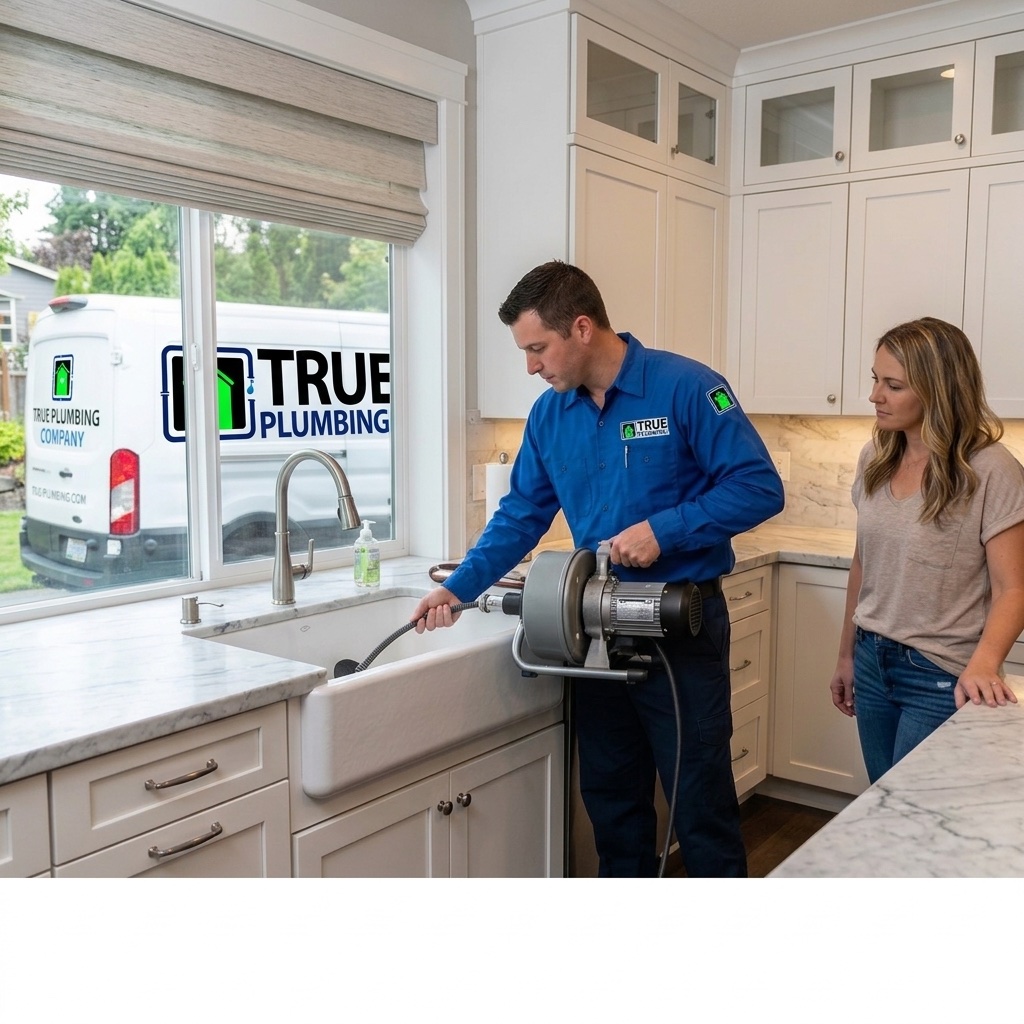
If a clog keeps returning or several drains slow down together, True Plumbing can inspect the line and explain whether cleaning, a hydro-jetting service, or sewer repair fits the evidence. Call (360) 207-6064 to confirm availability.