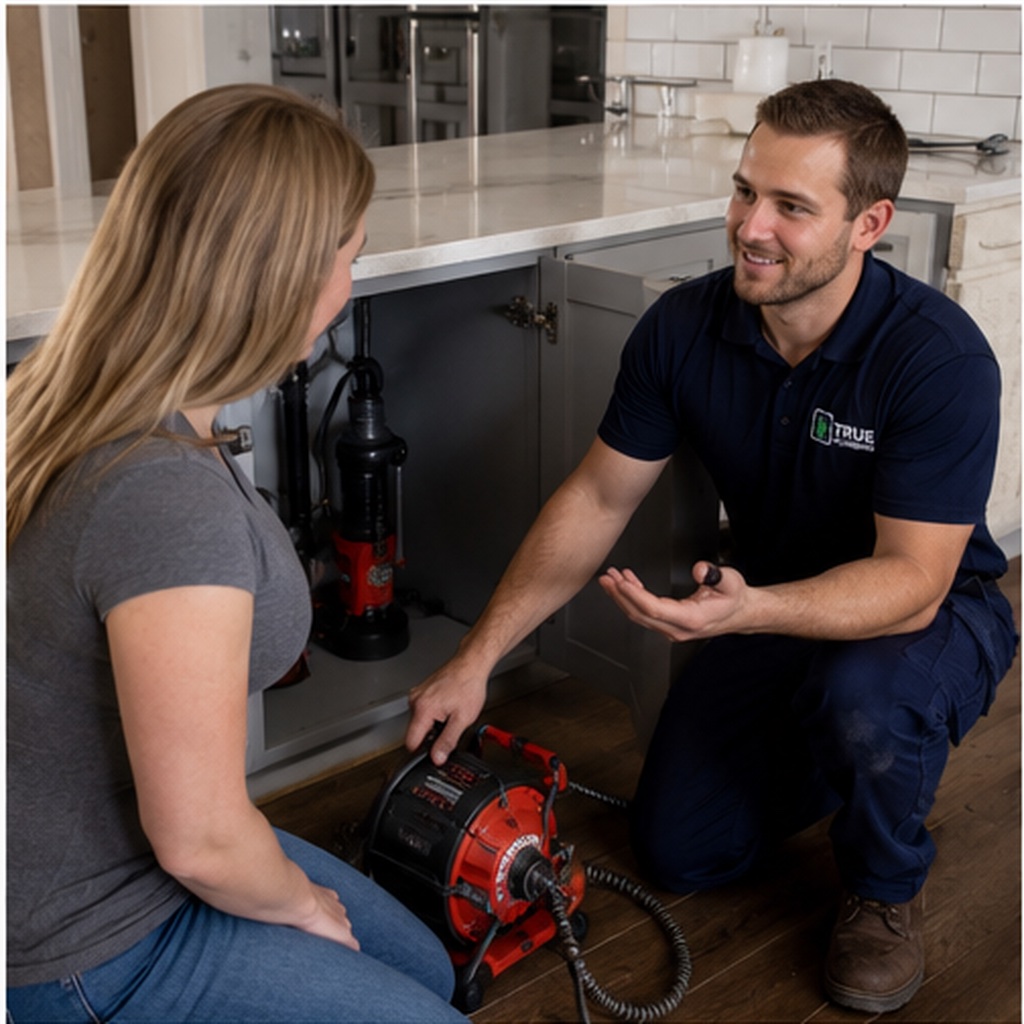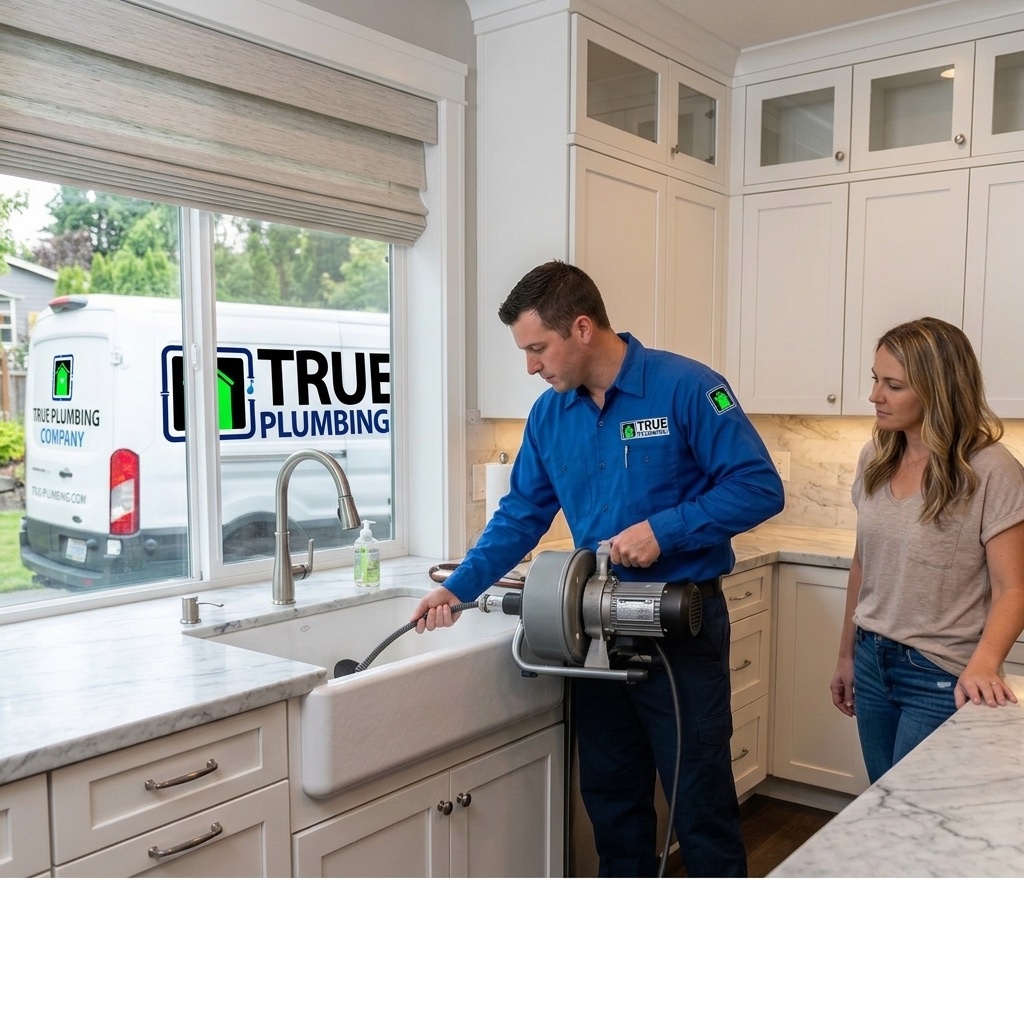
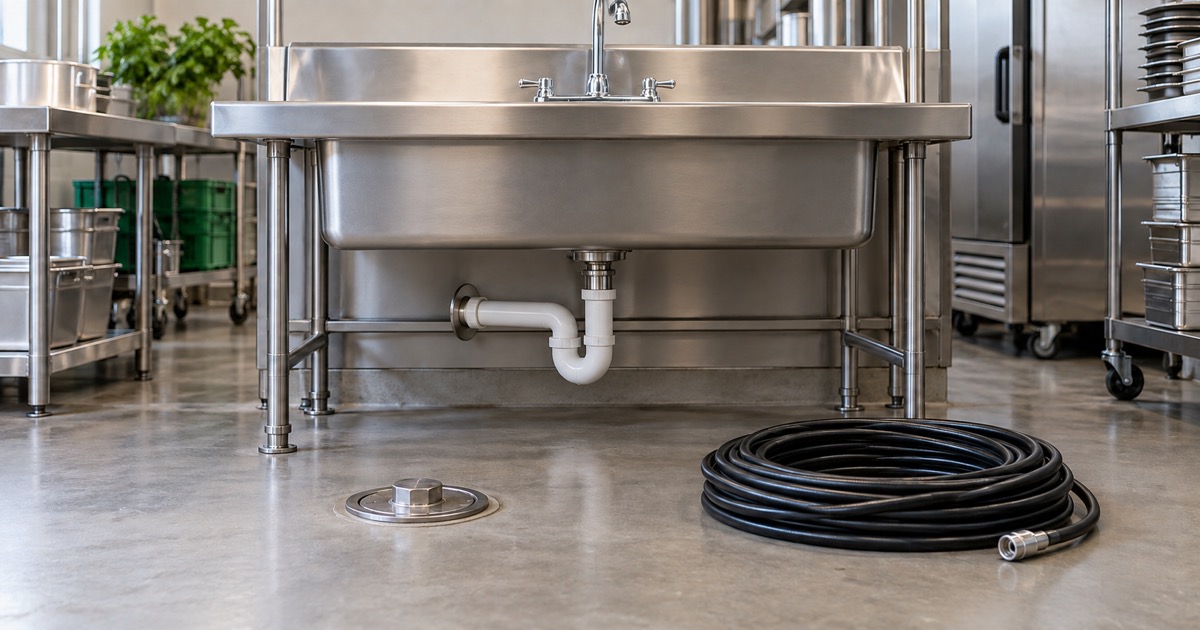
For a restaurant or any business that moves a lot of water, a clogged main line can shut you down for the day. Hydro jetting is the tool that keeps those lines clear, and it works differently from the cable snake most people picture.
For grease-heavy commercial lines in Vancouver, our hydro jetting service scours the pipe wall back to bare metal, camera-verified.
What hydro jetting does
Hydro jetting sends water through the pipe at very high pressure, scouring the walls clean instead of just punching a hole through a clog. That matters in commercial lines, where the buildup is usually grease, soap, and food solids coating the entire pipe rather than a single blockage.
Where it helps most
Why businesses put it on a schedule
The costliest backup is the one that happens during service. Many businesses have their lines jetted on a regular schedule, quarterly or a couple of times a year depending on volume, so buildup never gets the chance to cause a shutdown. Scheduled work can also happen after hours, when it will not disrupt customers or staff.
Start with a camera
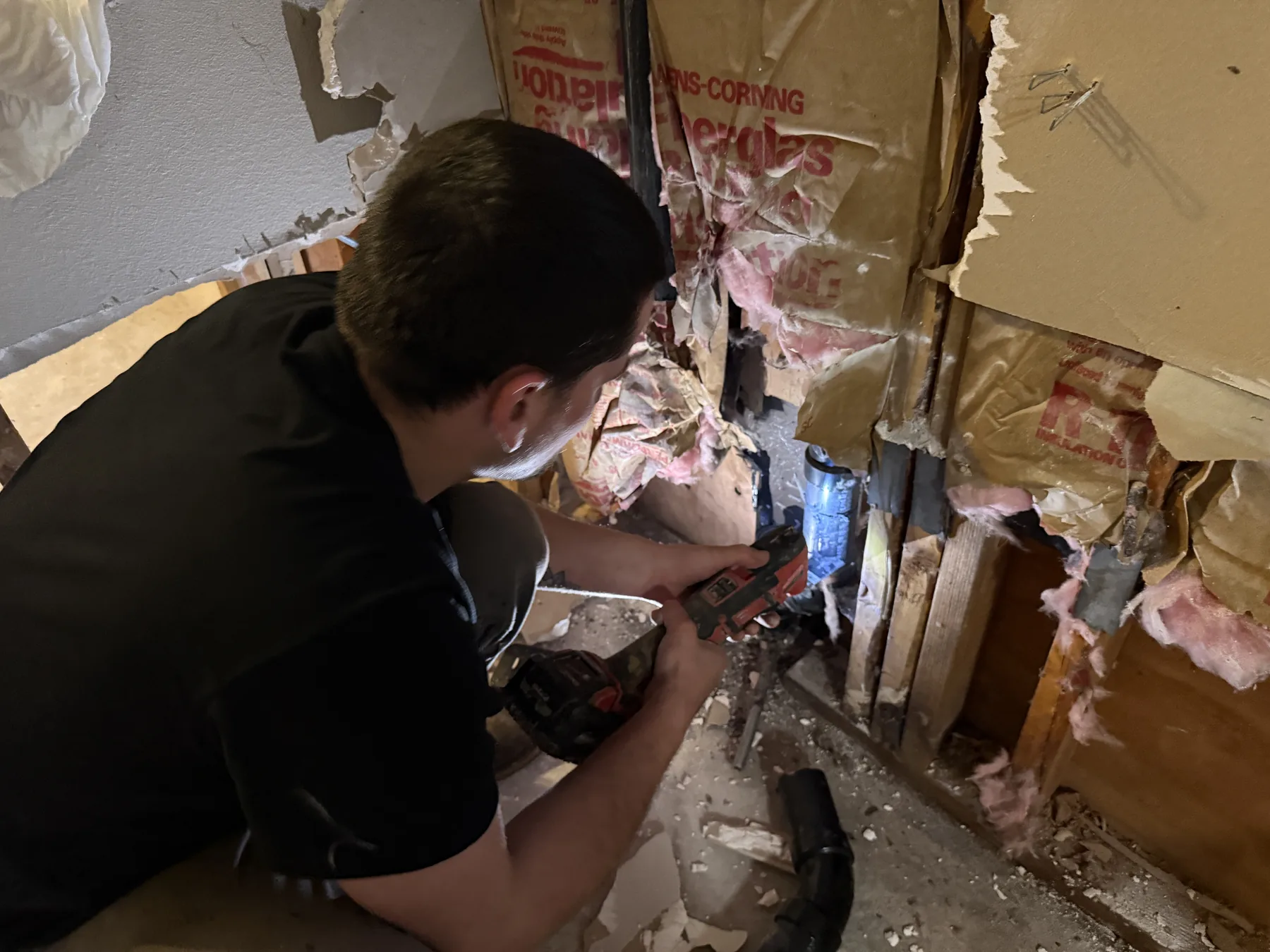
A good jetting service starts with a camera in the line, so you know what you are dealing with and whether jetting is the right call. It also gives you a baseline to compare against next time, which helps catch a developing problem early.

Read moreRead less about Start with a camera
A maintenance interval should follow actual buildup, camera findings, and business use rather than a universal schedule. Compare the cleaning methods in our hydro-jetting and drain-snaking guide, and review the materials that should stay out of drains.
True Plumbing can inspect a commercial line and scope an appropriate commercial plumbing maintenance plan. Call (360) 207-6064 to confirm availability.
Commercial hydro-jetting questions
How often should a business schedule hydro jetting?
Set the interval after inspecting the line and reviewing its cleaning history. Record which drains were cleaned, what buildup was found, and how quickly symptoms return. A kitchen with recurring grease buildup needs a different plan from a lightly used office. Ask for the reason behind the proposed interval and review it when business use changes.
Read moreRead less about Commercial hydro-jetting questions
Does hydro jetting replace grease-trap cleaning?
Drain-line cleaning and grease-interceptor maintenance are separate jobs. Jetting a line does not empty the interceptor that captures grease before it reaches the sewer. Vancouver's restaurant guidance requires a grease trap or interceptor for commercial kitchens that discharge food grease. Keep the interceptor's maintenance plan alongside the drain-cleaning plan, and confirm the requirements for your sewer utility.
Why use a camera with commercial drain cleaning?
A camera helps show what is inside the line and whether a problem remains after cleaning. RIDGID recommends pairing drain-cleaning equipment with inspection cameras to check the result and guide the next decision. Ask which line was inspected, what the footage shows, and whether any section needs further assessment.
What if a commercial drain backs up again after cleaning?
Have the cause assessed before repeating the same cleaning. EPA identifies grease blockages, roots, and sewer defects as problems that can contribute to sewer overflows. Cleaning may address buildup, while a damaged line may need repair. Note which fixtures are affected and how soon the problem returned so the plumber can compare the findings.
What can kitchen staff do between drain cleanings?
Keep cooking oil and food scraps out of the drains. Portland's food-service guidance recommends dry-wiping pots and dishes before washing, collecting used cooking oil, and using sink screens to catch food particles. Those practices reduce what reaches the interceptor and sewer; continue the cleaning and inspection plan for the building.