Whole-home repipe
A planned replacement when the distribution system is failing.
Clark County homes can have galvanized, copper, CPVC, PEX, or a mix. We inspect the actual piping before recommending a repair, a remodel section, or a whole-home repipe.
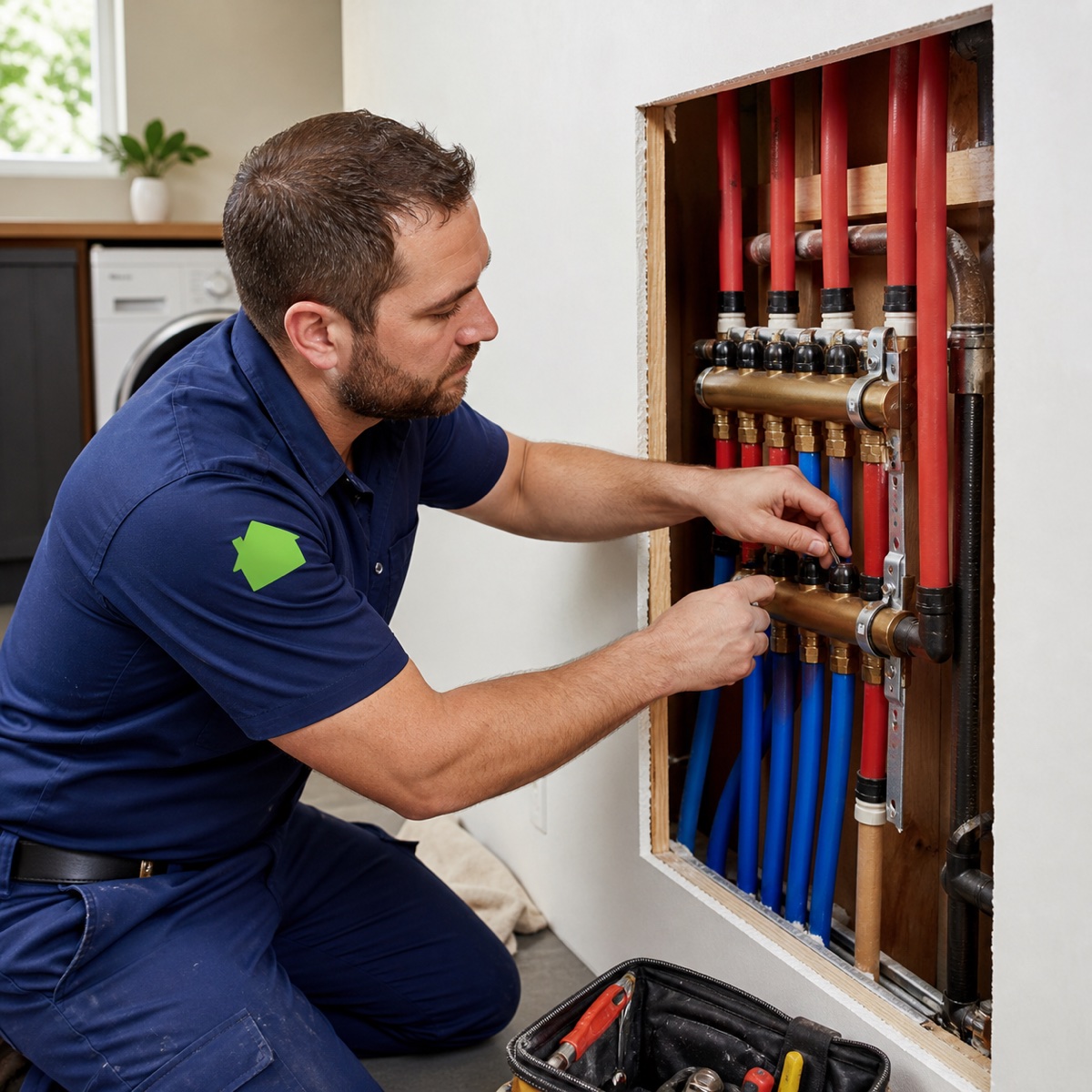
Clark County has pockets of old and new construction throughout the county, so a city name or neighborhood does not tell you what is inside a particular home. Tyler commonly sees galvanized piping in many 1960s-era homes, copper in many homes from the 1970s and 1980s, CPVC in portions of 1990s through early-2000s construction, and PEX increasingly often in newer construction. Those are field tendencies, not rules.
Remodels and additions can leave several pipe materials in one house. We can repair one localized failure, replace an accessible section while a remodel is open, investigate low flow that may come from a regulator, service line, or fixture, or plan a whole-home repipe when the distribution piping is the broader problem. The written scope should identify what was verified and why that level of work fits.
Whole-home repipe. Mention this offer when you book your estimate.
A planned replacement when the distribution system is failing.
Visible and concealed piping checked before scoping.
A focused fix when one accessible section is sound around it.
A chance to replace accessible pipe while walls are open.
Separating pipe restriction from a regulator, service line, or fixture.
Less digging where the route and site make it practical.
Repiping starts with the actual home, not a construction-year assumption. A good plan identifies the existing materials, separates distribution-pipe problems from pressure-source problems, and replaces the failing system while keeping disruption predictable.
The estimate documents visible materials near the water heater, utility area, crawlspace, and shutoffs, then checks fixture groups, pressure complaints, leak history, mixed-generation additions, and concealed routes that may need controlled openings.
Low flow may come from corroded distribution piping, but it can also come from a regulator, service line, meter, utility supply, or fixture. Those possibilities are checked before a whole-home scope is recommended.
The plan may be a localized repair, an accessible section replacement during a remodel, or a whole-home repipe. If replacement is appropriate, routes, sizes, connections, water shutdowns, testing, access, and finish restoration are stated before installation.
One leak does not automatically justify a whole-home project. The pattern across the plumbing system is what matters.
A single accidental failure can be repaired. Leaks in different areas, internal corrosion, and declining flow throughout the home point to a broader material problem, especially when the home has mixed or aging pipe generations.
Low performance may come from corroded interiors or undersized branches, but it may also start at a regulator, meter, private service line, utility supply, or fixture. Repiping only helps when the distribution piping is the cause.
Number of bathrooms, finished areas, crawlspace or attic access, household schedule, and planned remodeling shape the sequence and restoration plan.
True Plumbing is based in Vancouver, where our team, reputation, and service operation are centered. We also serve nearby communities across southwest Washington and the east Portland metro.
Clark County has pockets of old and new construction throughout the county. Galvanized, copper, CPVC, and PEX may each appear in homes from different eras, while additions and remodels can combine them. Those are field tendencies, not a substitute for a non-invasive inspection of the actual property.
Dedicated coverage for downtown, the waterfront, east Vancouver, and surrounding neighborhoods, backed by a local shop off NE 60th Way.
Explore Vancouver plumbingAppointment availability varies by address and schedule. Not sure whether your property is covered? Call (360) 207-6064 and we will confirm it before you plan around us.
Our water main burst and Jason came out fast and replaced the entire line within 72 hours. The quick response saved us from major damage and high water bills.
Nick came on a Sunday to repair our broken PEX pipe, which was leaking severely. He explained everything he was doing and did a great job, friendly, efficient, and thorough.
Eric was quick to dig down to the leak, and quick to find and fix it. Very pleasant to work with, I'll call True Plumbing any time.
Clear answers connected to this service, written for Vancouver-area property owners.
Learn what controls a whole-house repipe timeline, how plumbers plan water shutoffs and access, and what Vancouver homeowners should confirm before work begins.
Read the guideWondering if it's time to repipe? Learn how Clark County pipe materials, leak patterns, remodeling, and pressure symptoms affect the decision.
Read the guideRenovating? Here's how to handle and upgrade your water lines while the walls are open, so you don't pay to redo it later.
Read the guideRepiping and water-line repair across Vancouver and Clark County. Call or request an estimate online.
Call to confirm current availability · Washington and Oregon licensed · licensed, bonded & insured